The Price of Identity in a Starving Country
By Indira Guerrero
Caracas (Venezuela).– The document she signed at the registry office read “Jesús Romero,” a name Franshesca had tried to forget until the scarcity in Venezuela forced her to remember it.
In 2016, survival often demanded strange sacrifices. For Franshesca, a trans woman, the price of feeding her unborn son was her own identity. To obtain the state-controlled right to buy diapers, she had to stop being herself and become a man again in the eyes of the State.
Franshesca tired of fighting. She tired of explaining to the National Guard officers who police the supermarket lines that, although her ID says “male,” she is a woman, she is a mother-to-be, and she needs the two packages of diapers allowed per week.
But in a country with incalculable levels of shortages, identity is a luxury exchanged for basic goods.
So, on a June afternoon, Franshesca and her partner Erlinda—who was seven months pregnant—stood before a prefect to sign a concubinage certificate. They had to present themselves as a heterosexual couple: Jesús and Erlinda.
This document, along with a medical report and an ultrasound of the belly, is the safe-conduct pass required to enter the rationing system.
The system had been cruel to them before. Erlinda had already been banned from buying baby supplies. The military guards at the store looked at her seven-month belly and decided she didn’t look pregnant, but simply “fat,” and denied her entry.
The story of this couple is written against the backdrop of the worst economic emergency in the country’s history. With inflation galloping and scarcity estimated at 80%, the LGBTQ+ population in Venezuela faces a double vulnerability.
As Tamara Adrián, the first transgender deputy in the National Assembly, points out: in a nation where the diet has been reduced to cassava, plantains, and sardines, the fight for minority rights feels like a discussion postponed for the next century.
“Wake up, you are going to do what you have to do,” Franshesca told herself the day she decided that, to get milk and medicine, she would bury Franshesca and resurrect Jesús Enrique Romero Franco.
While they wait for the birth of their son, Joshua, the couple survives on recipes that neighbors share to cheat hunger: well-washed and fried yucca peels taste like pork rinds; boiled green plantain skins substitute for shredded beef; fried ripe mangoes take the place of sweet plantains.
Erlinda spends her days adding up these crisis solutions while Franshesca works. But ingenuity cannot dispel fear.
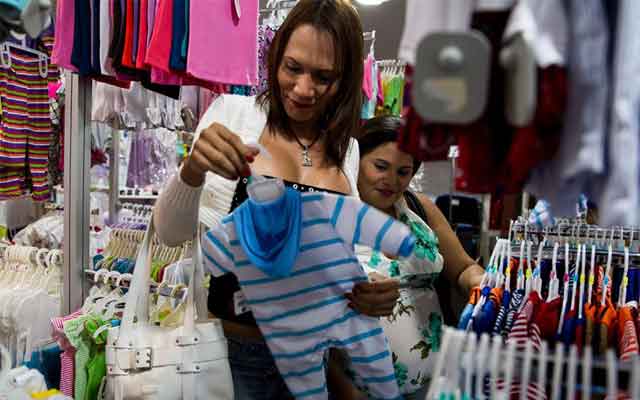
They fear that the food will not be enough. They fear that the money will be worthless. And above all, they fear not knowing how to explain to Joshua that he arrived in a world where his mother had to hide who she was just to buy his first set of clothes.
 Indira Guerrero